4 Shocking Signs You Need a Local Plumber for Your Septic Tank
Septic tanks are crucial components of many residential plumbing systems, but their maintenance is often overlooked until issues arise. Recognizing the signs of septic tank problems early can save significant time and costs. Below are four key indicators that it's time to call a local plumber.
1. Unpleasant Odors Around Your Property
One of the most obvious signs that your septic system may need attention is unpleasant odors emanating from the tank or drain field. These smells typically result from issues such as system blockages or ventilation problems, which can hinder the tank's ability to function properly. The presence of foul odors is not only bothersome but also indicative of underlying issues within the septic system that require immediate attention. Taking quick action when you first detect these smells can prevent more serious problems from developing, such as sewage leaks or backups. It's essential to understand that even minor odors shouldn't be ignored, as they can escalate into significant health and safety hazards if left unchecked.
Aside from being a nuisance, sewage odors can also pose serious health risks to you and your family. Prolonged exposure to gases such as hydrogen sulfide and methane, common byproducts of decomposing waste, can have detrimental effects on health. Symptoms might include headaches, dizziness, and respiratory problems, especially among vulnerable individuals such as children and the elderly. As sewage gases can seep into living areas, it is crucial to address odors swiftly to protect your household's well-being. Furthermore, lingering sewage odors could also attract pests, leading to additional health concerns and inconvenience.
Effective odor detection strategies are vital in pinpointing the exact source of septic system smells within your property. Walking around your home and yard can help you identify areas where odors are most potent, indicating potential problem spots in your system. In some cases, temporary solutions such as sealing plumbing vents or using odor-neutralizing products might provide short-term relief. While these measures can reduce the immediate impact of the smell, they are not substitutes for professional plumbing services. To fully eliminate the underlying issue, calling a local plumber to conduct a comprehensive inspection and necessary repairs is crucial.
2. Slow Drains and Toilet Backups
Persistent slow drains in sinks, showers, or bathtubs can be early warning signs of septic tank problems. This issue usually arises from blockages within the plumbing system or when the septic tank is nearing capacity. According to This Old House, septic tanks are made to contain over 1,000 gallons of waste, making them suitable for efficiently handling significant household wastewater. However, when the input exceeds what the system is capable of processing due to neglect or blockages, drainage issues become apparent. Addressing the cause of slow drains early can prevent costly repairs and more severe septic problems in the future.
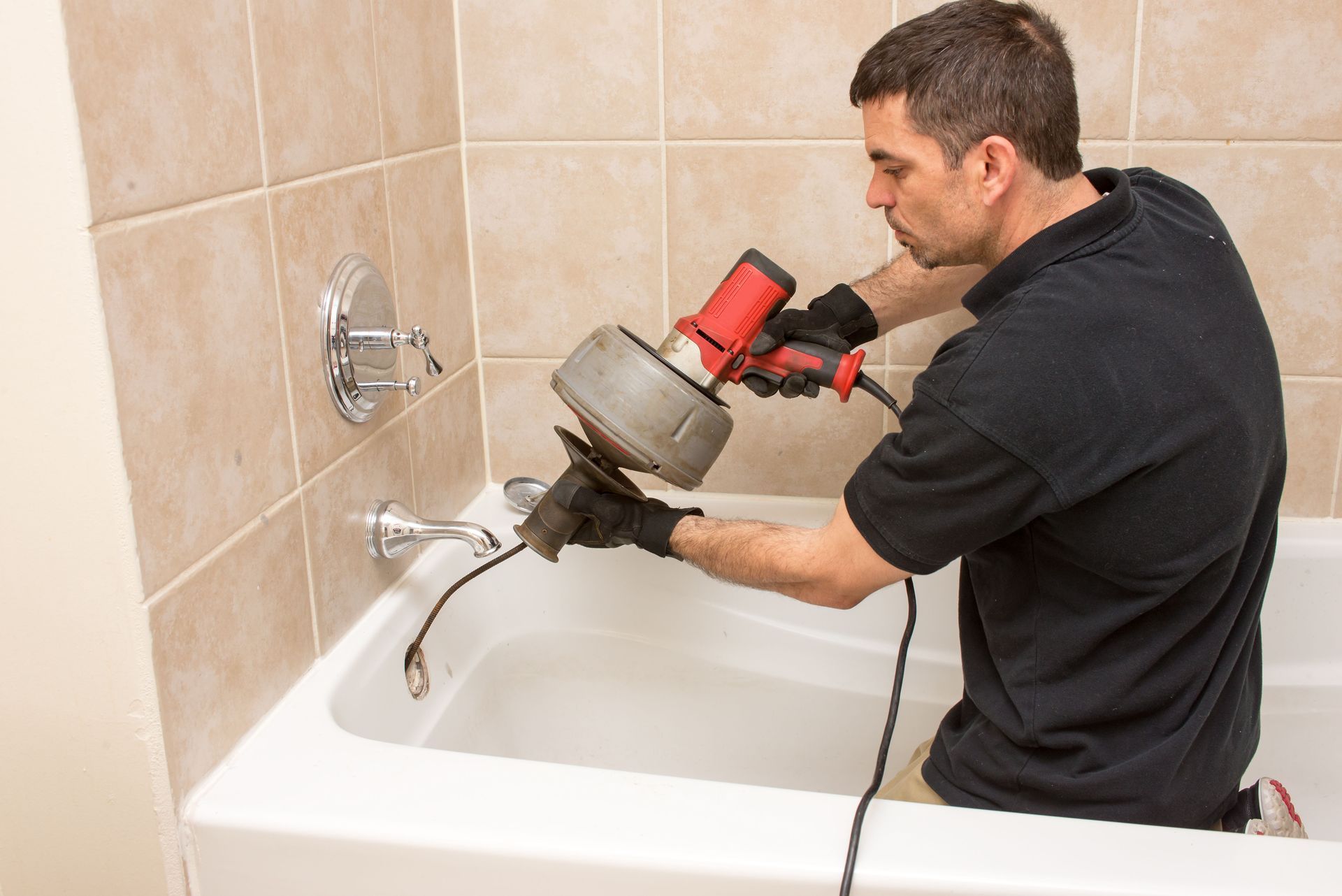
Frequent toilet backups are not only a hassle but also an indication of potential septic system failures. Blockages in the septic tank or sewer lines might lead to increased pressure in the plumbing system, causing water and waste to flow back into toilets. Ignoring this problem could result in extensive water damage within your home and lead to unsanitary conditions. In the short term, homeowners can attempt safe, at-home solutions such as using a plunger or drain snake to clear minor clogs. Nonetheless, if backups persist, assessment and intervention from a local plumber are highly advised to prevent further escalation.
Professional plumbers employ specialized tools and techniques to accurately assess drainage issues and determine long-term solutions for septic problems. Plumbing cameras, for example, offer a detailed view inside pipes and septic lines, enabling experts to locate clogs or damage that may be causing backups. Once the root problem is identified, plumbers can offer effective solutions, such as hydro-jetting or pipe repairs, to restore proper function to the septic system. In addition to resolving immediate issues, plumbers can suggest maintenance practices to prevent future drainage problems, safeguarding your property and well-being.
3. Lush, Green Patches on Your Lawn
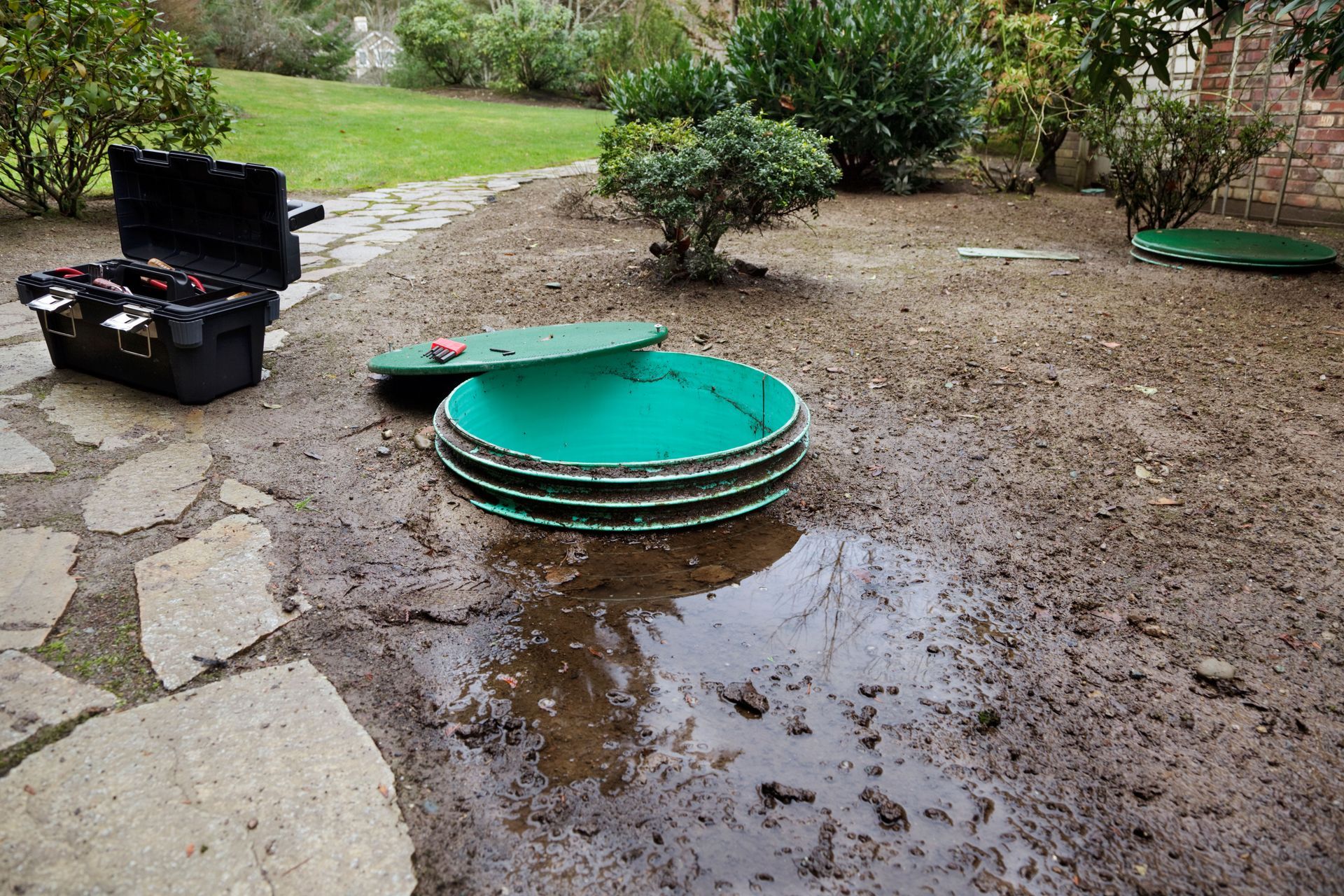
While a lush, green lawn might seem beneficial, it can also be a sign of sewer line leaks resulting from septic system failures. When the septic system experiences leakage, nutrient-rich wastewater often escapes into the surrounding soil, promoting rapid growth of nearby plants and grasses. Although this may enhance your lawn's appearance, it signifies a serious underlying issue with your septic system that must be addressed. Ignoring these greener patches could ultimately lead to further damage and higher repair costs as the leakage progresses. Finding and repairing leaks early is crucial to prevent environmental contamination and preserve your property's integrity.
Over time, saturated soil in your yard can result from septic system overflow, negatively impacting soil health and integrity. When the soil becomes oversaturated, it can hinder proper drainage and lead to stagnant water pools in the area. Excessive pooling can also damage property foundations and create a breeding ground for mold, bacteria, and pests. Understanding the root cause of saturation is essential to address the problem effectively, and a septic professional, like a local plumber, can help determine the best course of action. Simply fixing the surface appearance of your yard will not solve the issue permanently, so comprehensive inspection and repairs may be necessary.
A failing septic system can have broader environmental concerns, particularly related to groundwater contamination. Leaking systems release untreated sewage into the ground, potentially contaminating local water sources and affecting plant and wildlife health. Implementing short-term drainage fixes, like installing temporary diversion channels, can reduce immediate water accumulation and help manage overflow. However, to safeguard both the environment and your home, seeking the assistance of a lawn and plumbing expert is highly recommended. They can provide comprehensive solutions to both repair leaks and maintain healthy soil and plant conditions, ensuring a sustainable and safe living space.
4. Gurgling Sounds in Plumbing
Gurgling sounds from sinks, toilets, or other plumbing fixtures often point to air trapped within the pipework. This is usually caused by blockages building up in the plumbing system, improper venting, or full septic tanks, forcing air bubbles through the water. Addressing these sounds early on can prevent the airlocks from escalating into more significant problems, such as complete blockages or system damage. Understanding the potential damage could motivate homeowners to pay attention to these initial warnings instead of ignoring them. Taking action when you notice gurgling sounds is crucial to mitigate possible disruptions in your home's plumbing functions.
Ignoring plumbing noises can lead to severe consequences for your septic system, potentially causing extensive damage if left unresolved. Air build-up might intensify pressure within pipes, increasing the risk of ruptures or leaks. In the long run, unaddressed noise-related issues may escalate into costly repairs or even full system failure, ultimately disrupting your daily life. To avoid these consequences, homeowners should promptly investigate the source of these sounds and seek a professional local plumber if necessary. Proactive solutions are essential for preserving the integrity of your plumbing and maintaining a comfortable living environment.
For individuals who want to explore the problem themselves, there are initial diagnosis steps that can help identify the source of gurgling sounds. Homeowners can begin by inspecting plumbing vents or checking drains for visible blockages that might be causing air to build up. Installing noise-prevention techniques, such as air filters and devices to absorb pipeline vibrations, might also help minimize the persistence of these sounds. However, if sounds persist despite these efforts, consulting a local plumber for an in-depth evaluation is recommended. Specialists can utilize audio inspections and advanced techniques like acoustic analysis to pinpoint issues within the plumbing system and provide efficient solutions.
Septic tank issues can transform from minor inconveniences to major health hazards quickly. By recognizing and understanding the signs discussed, homeowners can take prompt action to address issues, seek a professional local plumber, and prevent future problems, ensuring a healthier living environment. Contact Mid-Tenn Septic & Plumbing today to get started.


Share On: