Common Septic Tank Problems Plumbers Solve Fast
The silent operation of a home wastewater system is something most property owners take for granted until the moment a malfunction occurs. For those living in areas without access to a municipal sewer line, the septic system serves as the primary defense against environmental contamination and structural damage. This underground infrastructure is a complex biological and mechanical environment where solids settle, liquids clarify, and bacteria work tirelessly to break down organic matter. When this delicate balance is disrupted, the consequences can range from minor inconveniences to significant health hazards. Understanding the common issues that arise within these systems is the first step toward maintaining a healthy and functional home environment.
Professional intervention is often the only way to resolve deep-seated issues that occur beneath the surface of the yard. While some homeowners attempt to manage their systems independently, the specialized tools and knowledge required to diagnose subterranean failures are typically found only within the professional trade. Experts in the field possess the diagnostic equipment needed to see inside pipes and tanks without excavating the entire property. By identifying early warning signs, property owners can avoid the catastrophic costs associated with total system failure. The following sections explore the frequent complications that arise and how skilled professionals address them to restore peace of mind.
Identifying Excessive Sludge Accumulation
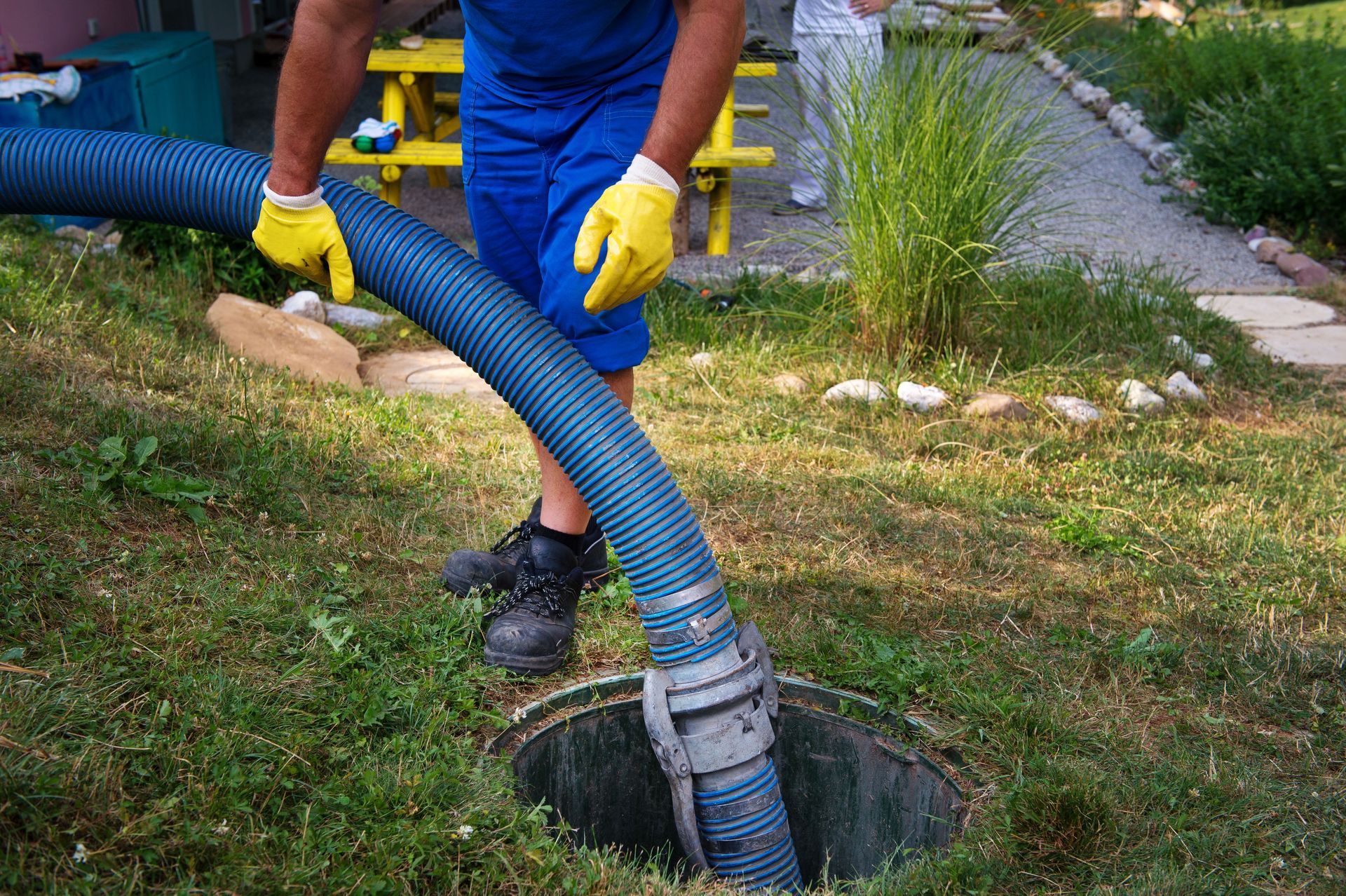
The most frequent issue encountered in residential systems is the buildup of solid waste that exceeds the capacity of the primary chamber. Over time, every system accumulates a layer of heavy material at the bottom and a layer of lighter fats and oils at the top. If these layers are not monitored, they can begin to migrate into the secondary components of the system, leading to widespread failure. Professional plumbers are frequently called upon to measure these layers and determine when a thorough cleaning is necessary. This process involves more than just removing the liquid; it requires the removal of the hardened solids that restrict the available volume for incoming wastewater.
When the tank becomes overcrowded with solids, the retention time for wastewater is drastically reduced. This means that water moving through the system does not have enough time to separate, allowing suspended solids to flow directly into the drain field. Once these particles reach the soil, they can clog the natural filtration pores, leading to surface ponding and foul odors. By maintaining a regular schedule for inspection and pumping, homeowners ensure that their systems remain within the optimal operating range. This proactive maintenance is the primary way to prevent the most expensive repairs associated with modern onsite wastewater treatment.
Repairing Cracked Concrete Chambers
The structural integrity of the tank itself is vital for preventing groundwater contamination and ensuring the safety of those walking on the surface. While concrete is a durable material, it is not immune to the corrosive gases produced during the decomposition process. Hydrogen sulfide, in particular, can eat away at the upper portions of the tank and the underside of the lids. Furthermore, According to Forbes, a septic tank has a lifespan of 20 to 40 years. As a tank nears the end of this duration, the risk of structural failure or significant leaking increases. Finding cracks or thinning walls early can allow for localized repairs rather than a total replacement.
When a tank develops a leak, it can either allow sewage to seep into the surrounding earth or allow groundwater to flood the system. If groundwater enters, the tank can become overwhelmed, leading to a constant state of overfill that mimics a blockage. Professional plumbers can use dye testing or vacuum testing to determine if the vessel is watertight. If a crack is found, specialized hydraulic cements or epoxy injections can often be used to seal the breach. These repairs must be performed with precision to ensure they can withstand the constant moisture and pressure of a subterranean environment.
Managing Damaged Drain Fields
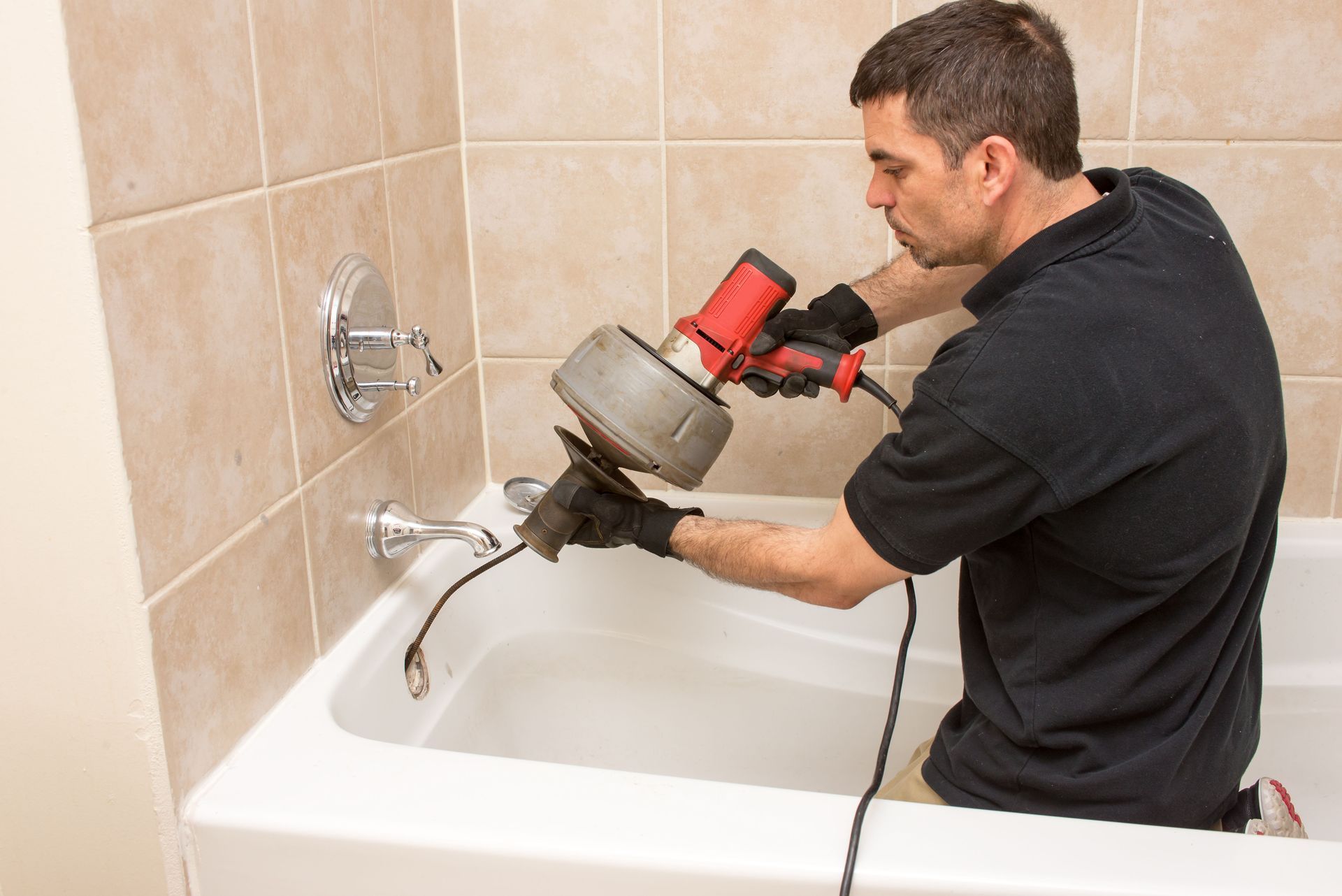
The drain field, or leach field, is the final destination for treated wastewater, and its health is synonymous with the health of the entire system. Common problems in this area include soil compaction from heavy machinery, the intrusion of aggressive tree roots, or the buildup of a biological slime known as biomat. When the soil can no longer absorb liquid at the required rate, the system will fail to drain. In such cases, plumbers may use a variety of techniques to rejuvenate the area, such as high-pressure jetting of the distribution lines or the mechanical aeration of the soil to break up compacted layers.
Root intrusion is particularly troublesome, as the nutrient-rich water in the pipes acts as a magnet for nearby vegetation. Roots can enter through tiny joints in the piping and quickly grow into thick masses that stop all flow. Removing these roots requires specialized cutting tools that can navigate the bends of the distribution network. Once the lines are clear, professionals may recommend the application of root-inhibiting treatments to prevent a recurrence. Keeping the drain field clear of trees and heavy objects is a fundamental rule of septic ownership that helps avoid these labor-intensive and costly interventions.
Correcting Improper System Venting
For a wastewater system to flow smoothly, air must be able to move freely through the pipes. Without proper venting, a vacuum can be created that slows down the movement of water and causes traps in the home to be sucked dry, releasing sewer gases into the living space. Often, the vents located on the roof can become blocked by debris, or the internal venting of the septic tank itself can be inadequate. Expert plumbers are trained to diagnose these airflow issues, ensuring that the system can "breathe" as intended. This not only improves drainage but also helps dissipate the corrosive gases that can damage the system over time.
In some instances, a gurgling sound in the pipes is the only warning a homeowner receives before a major problem occurs. By checking the vent stacks and ensuring the plumbing vents are correctly sized and positioned, professionals can eliminate these annoying sounds and the accompanying smells. Modern diagnostic tools allow for a quick assessment of the pressure within the lines, making it easier to pinpoint where an air blockage might be occurring. This attention to detail ensures that the mechanical components of the home work in harmony with the biological processes occurring in the tank.
The longevity and reliability of an onsite wastewater system are directly tied to the quality of the care it receives. While the subterranean nature of these systems makes them easy to ignore, the physical and financial consequences of neglect are impossible to overlook. From managing the accumulation of solids to ensuring the structural integrity of the concrete chambers, every aspect of the system requires a professional eye to function at peak performance. By partnering with experts who understand the nuances of fluid dynamics and soil health, homeowners can ensure their systems remain a silent and effective part of their property for decades to come.
At Mid-Tenn Septic & Plumbing, we pride ourselves on being the trusted partners for our community, offering the expert insight and rapid response needed to keep your essential systems flowing perfectly. Our team is committed to dependable service, honest communication, and long-lasting solutions that protect your home or business. We handle every job with care, efficiency, and attention to detail, ensuring your plumbing and septic systems operate safely and reliably year-round.



Share On: