5 Reasons Why Ignoring Drain Problems Can Cost More Later
Maintaining a residential or commercial plumbing infrastructure requires consistent vigilance and a proactive approach to system care. Property owners often overlook the subtle signs of pipe degradation or minor blockages, assuming that water will continue to flow away without interruption indefinitely. This lack of attention frequently transforms small, manageable inconveniences into widespread operational emergencies that compromise the safety and comfort of an entire building. Recognizing the early indicators of system distress is essential for anyone who wishes to preserve their property and avoid catastrophic failure.
When property owners fail to address initial warning signs, they inevitably face escalating financial obligations and structural complications. Ignoring persistent drain problems can lead to severe long-term consequences that extend far beyond simple plumbing inconveniences, impacting financial stability and personal health.
1. Escalating Repair Costs Over Time
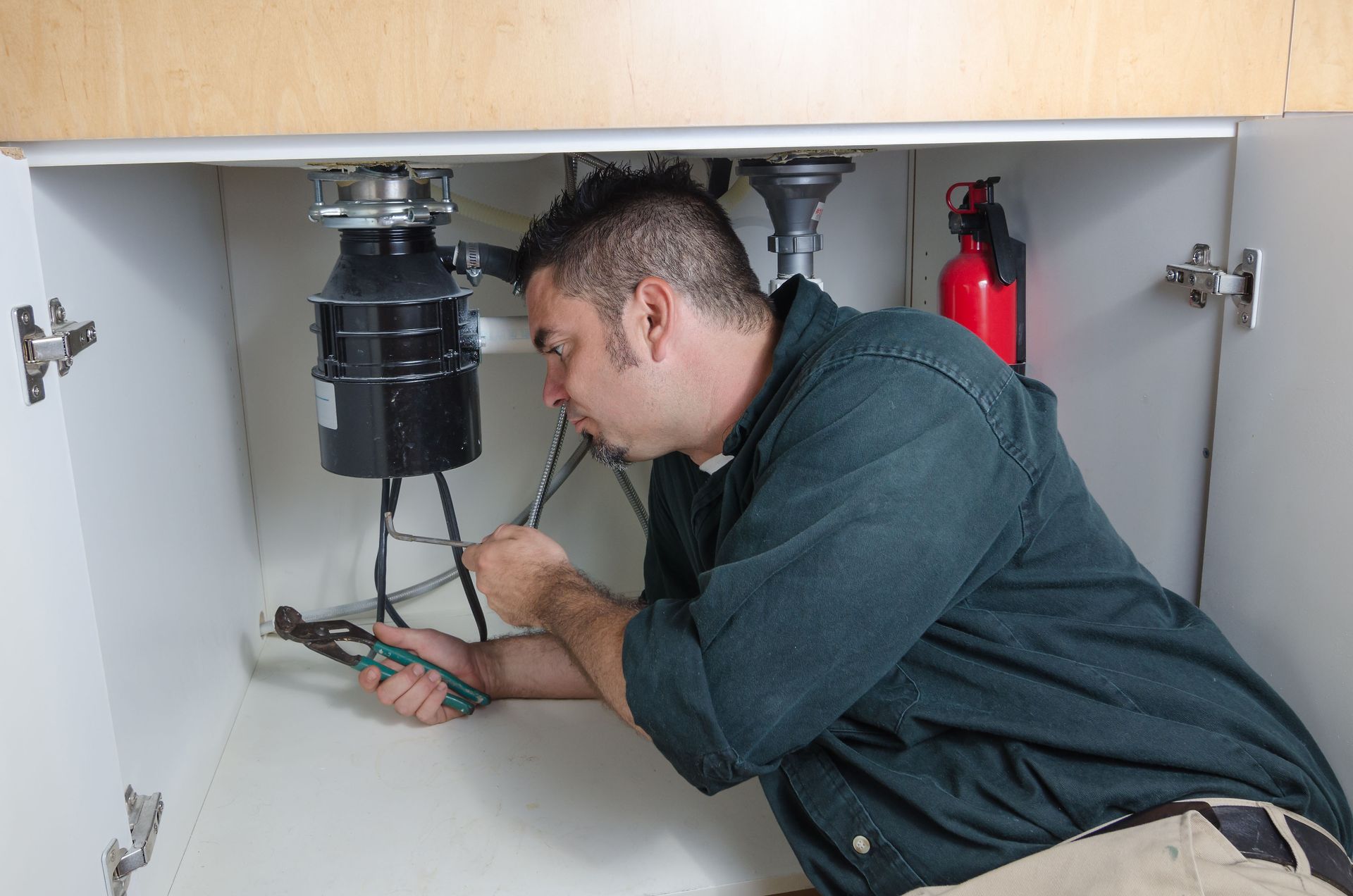
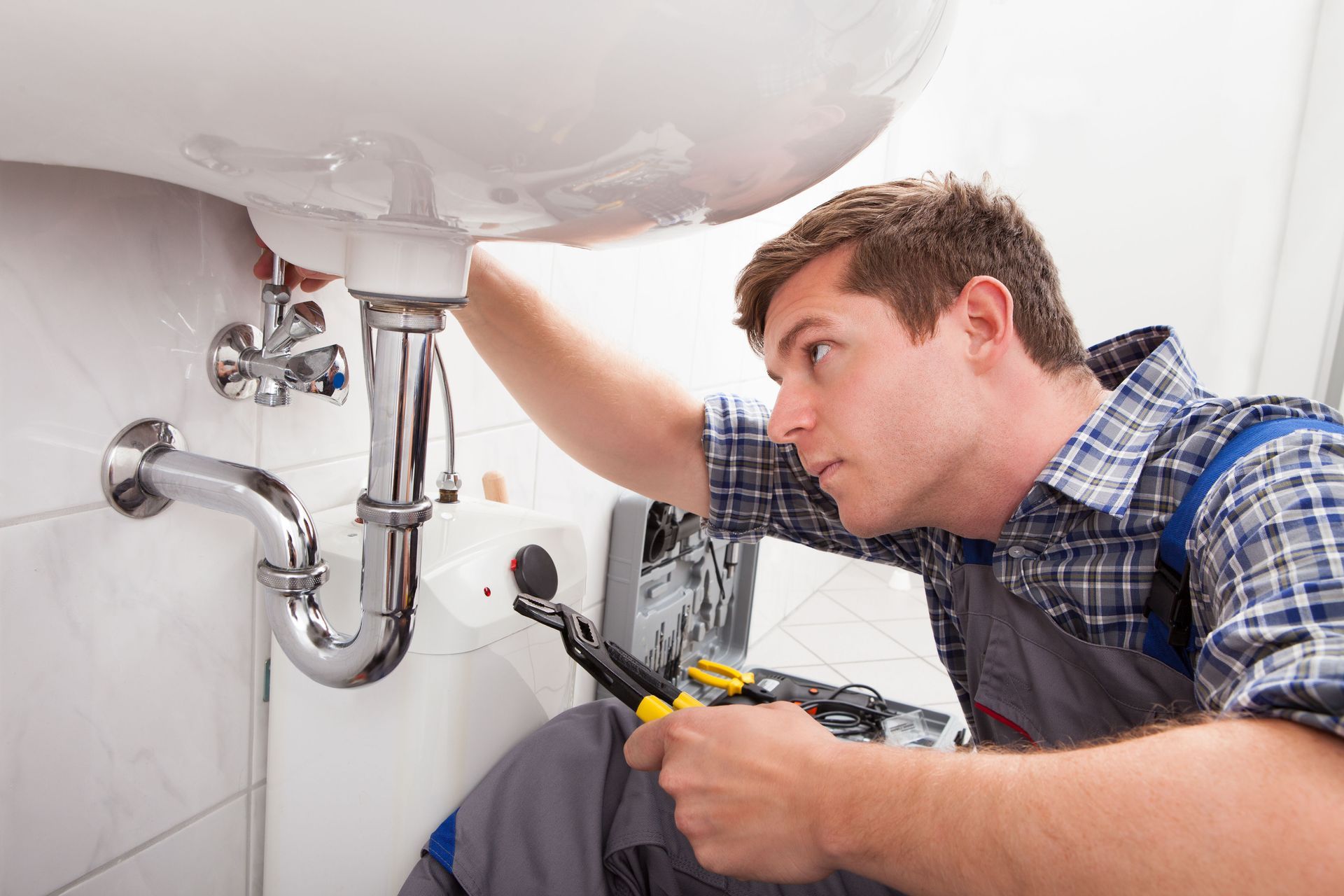
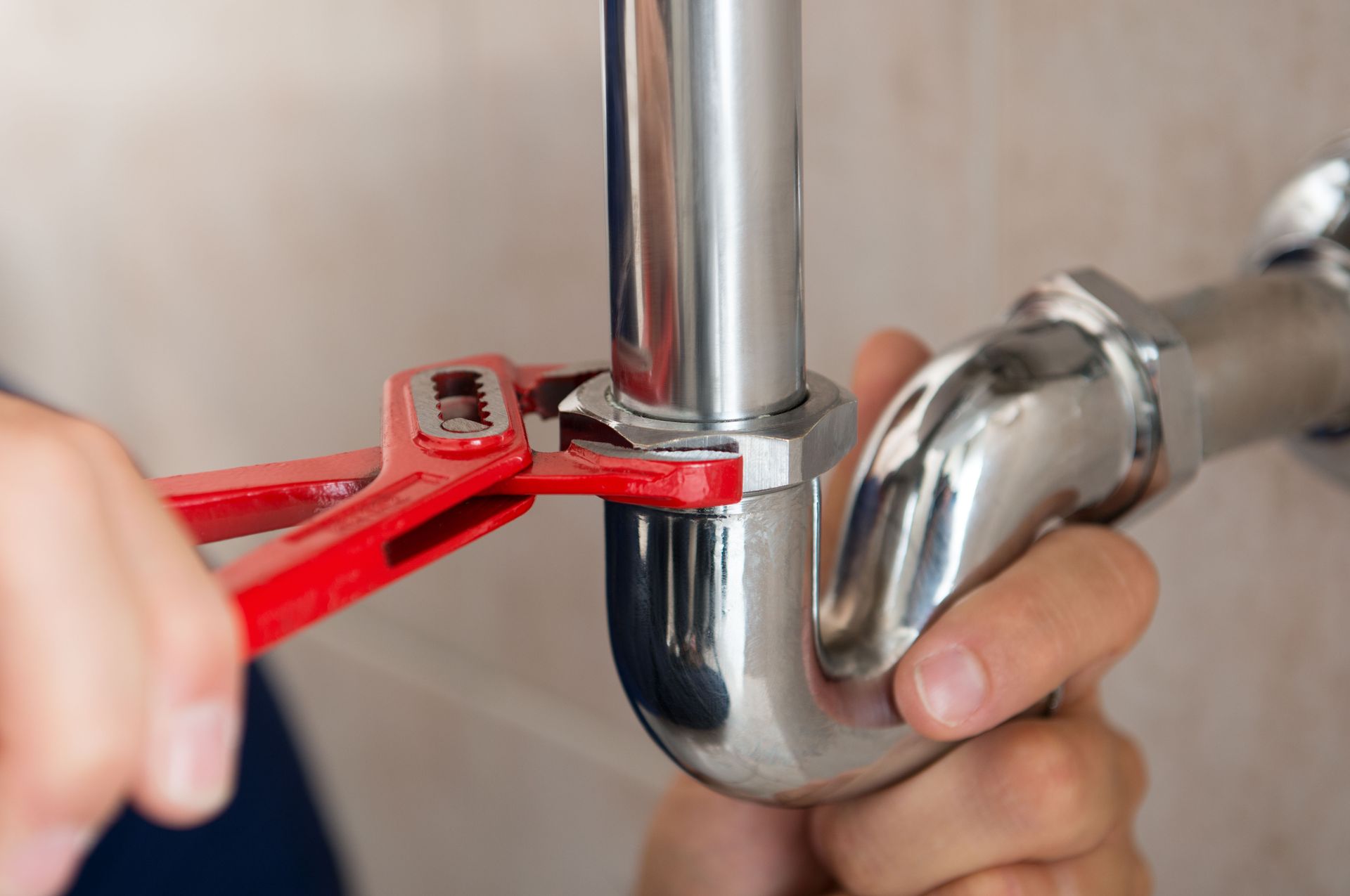
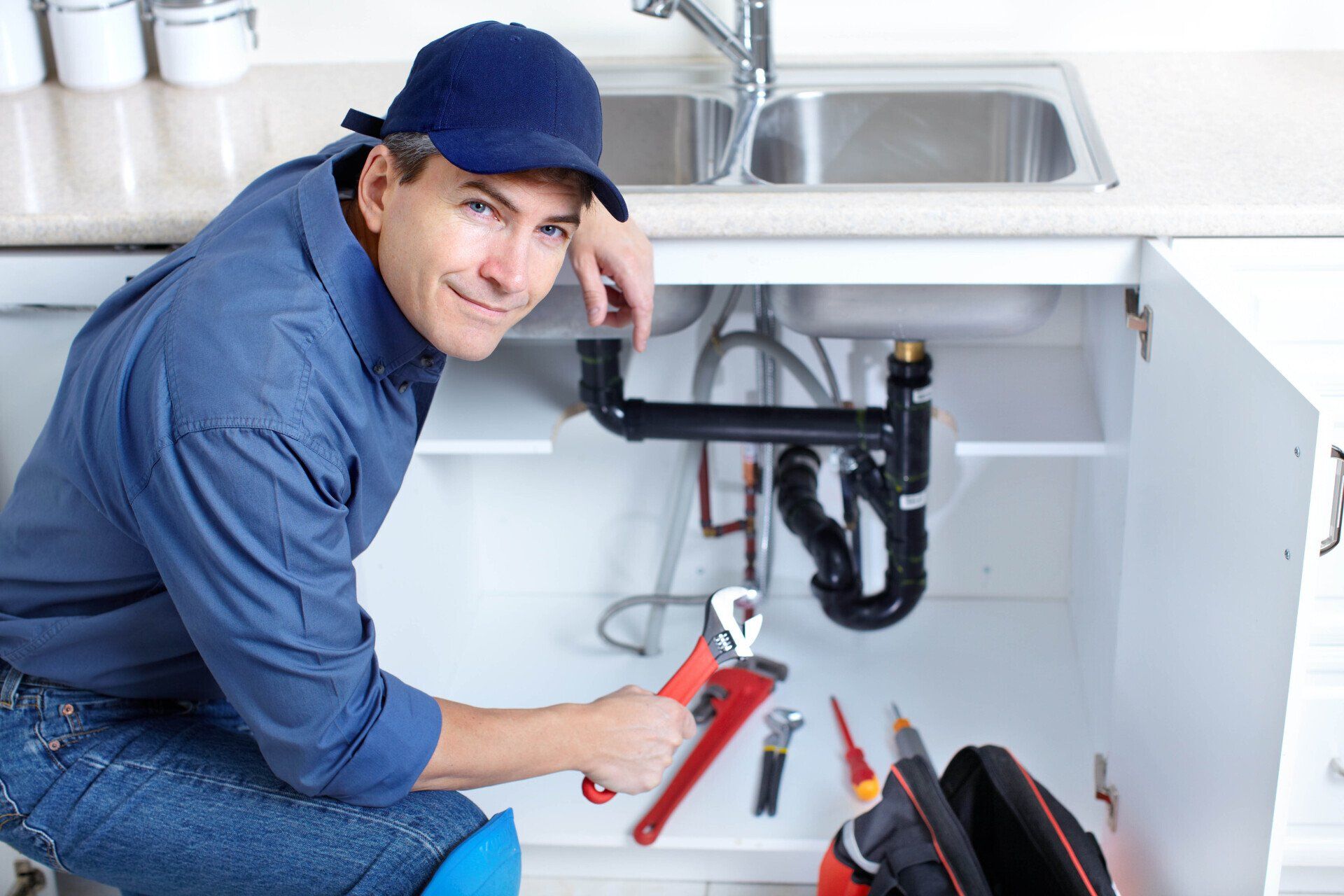
Addressing minor plumbing issues when they first appear is always the most economical strategy for managing building infrastructure. Typically, a minor issue such as a clog can be resolved quickly; for example, it takes plumbers around five minutes to snake a drain for clogs near tubs, toilets, or sinks, according to HomeGuide. Initial repair costs are often affordable and can prevent more complicated issues from developing. Property owners who act decisively during these early stages protect their budgets from the compounding expenses that inevitably follow prolonged operational neglect, ensuring that simple issues are neutralized completely before expanding further.
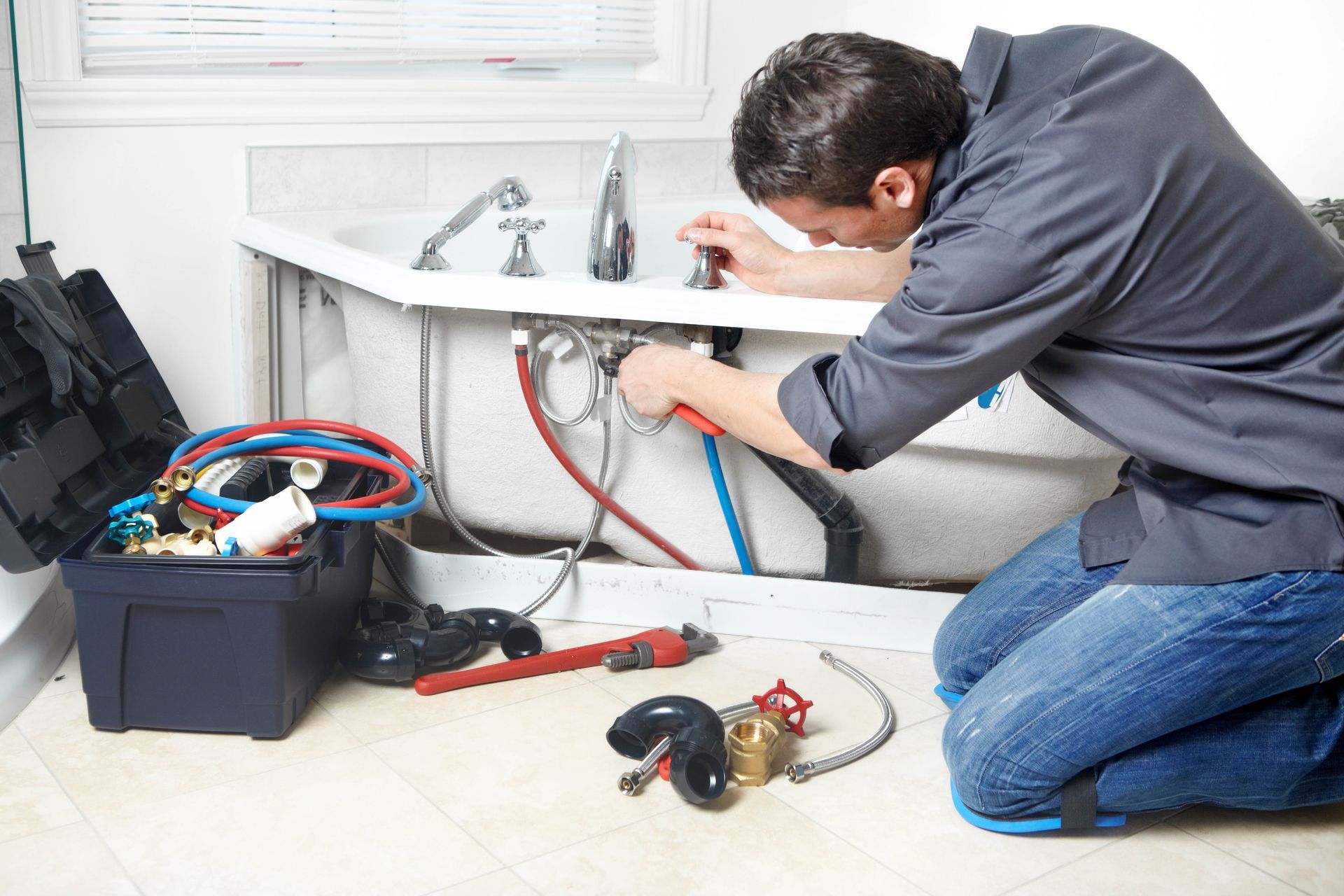
Allowing simple obstructions to persist within a plumbing network guarantees that future restoration work will require substantial financial outlays. Over time, unresolved pressure within pipes leads to structural weaknesses, leaks, and eventual bursts that necessitate extensive remediation and emergency service fees. These compounding drain problems quickly turn a minor inconvenience into a major financial disaster, resulting in foundation damage and complete system overhauls. Comparing the modest fee of an early service call with the massive price of emergency restoration highlights the undeniable economic benefits of swift professional intervention to maintain plumbing integrity and fiscal predictability over the years.
2. Enduring Health Risks and Medical Expenses
Stagnant water and persistent dampness resulting from faulty plumbing create ideal breeding grounds for dangerous biological contaminants. When wastewater cannot exit a building efficiently, moisture accumulates behind walls and beneath floors, fostering rapid mold and mildew growth. These fungal infestations release airborne spores that severely compromise indoor air quality, triggers chronic respiratory ailments, and leads to expensive medical treatments for the inhabitants. Ensuring that wastewater flows freely away from living spaces is a fundamental requirement for maintaining a sanitary and safe domestic or commercial environment that supports the absolute well-being of every building occupant over the long term.
Beyond fungal growth, stagnant fluids and blocked pipes invite pest infestations and hazardous bacterial accumulation that threaten human health. Rodents and insects are naturally drawn to the organic waste found within blocked systems, turning a neglected property into a hazardous vector for serious diseases. These systemic drain problems expose families and employees to pathogens like E. coli, which can necessitate urgent medical care and lead to significant healthcare bills. Investing in timely professional remediation eliminates these biological hazards before they can cause severe physical illnesses and subsequent financial burdens for property residents living everywhere in the local community.
3. Suffocating Property Values and Equity
The functional integrity of a plumbing system directly influences the overall market valuation and long-term appreciation of any real estate asset. Real estate appraisers and prospective buyers look closely at the condition of core utility systems during property inspections and evaluations. When an inspection reveals systemic failure or historical water damage stemming from neglected infrastructure, the property valuation suffers an immediate and substantial downward adjustment. Maintaining an optimal plumbing network ensures that a building retains its competitive edge, commands its full financial potential in the real estate market, and satisfies strict regulatory standards during important property transactions.
Unresolved infrastructural issues also generate complicated legal disputes and burdensome insurance complications that drain owner resources. Sellers who attempt to market a building with underlying drain problems often face intense contract renegotiations, canceled transactions, or post-sale lawsuits regarding undisclosed property defects. Furthermore, insurance providers regularly deny claims for water damage when evidence indicates that the underlying cause was a long-term lack of routine maintenance. Property owners must remain proactive to avoid these legal entanglements and ensure that their individual insurance policies remain fully valid, active, and supportive during unexpected property crises that arise unexpectedly within the plumbing system.
4. Degrading Local Environments and Ecosystems
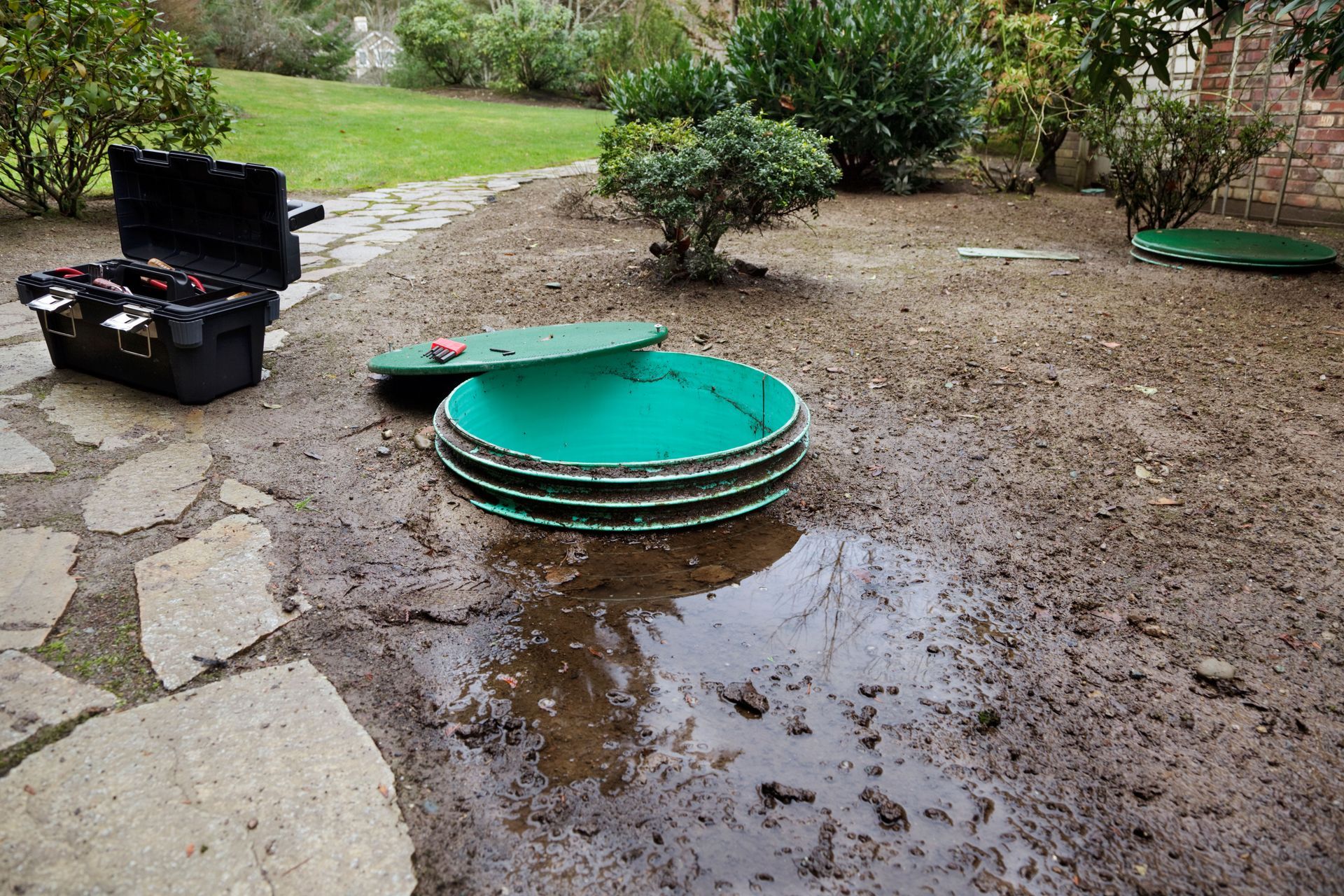
The consequences of poorly maintained plumbing networks extend far beyond the structural boundaries of a single residential or commercial building. When wastewater systems malfunction or overflow, they release untreated contaminants into local soil layers and public stormwater pathways. This toxic runoff eventually enters nearby streams, rivers, and coastal ecosystems, severely damaging aquatic habitats and endangering local wildlife populations. Responsible asset management requires a thorough understanding of how individual infrastructure conditions directly affect the broader ecological balance of the surrounding community, making timely professional remediation a matter of public environmental safety for everyone living within the local municipal borders.
In addition to direct ecological pollution, failing wastewater systems contribute to immense resource waste and municipal safety expenditures. Leaky pipes cause millions of gallons of water to disappear annually, driving up utility bills and placing unnecessary strain on public water treatment plants. These systemic drain problems force communities to divert public funds toward environmental remediation and emergency infrastructure repairs rather than proactive community development projects. By ensuring that systems operate at peak efficiency, property owners fulfill an ecological duty while avoiding the heavy regulatory fines associated with environmental neglect and resource mismanagement across the entire municipal region.
5. Interrupting Daily Routines and Operations
Living or working in a building with a failing plumbing system introduces constant irritation and disrupts the predictability of daily life. Simple household tasks like washing dishes, bathing, and using restroom facilities become complicated logistical challenges when water fails to recede properly. The persistent stress of managing an unreliable system impacts personal well-being, strains domestic relationships, and sometimes forces residents to temporarily vacate their homes. Addressing infrastructure anomalies immediately restores order and comfort.
For commercial enterprises, plumbing failures translate directly into lost revenue, compromised operational efficiency, and severely damaged professional reputations. Commercial establishments must often halt operations entirely to address severe drain problems, resulting in catastrophic daily financial losses and frustrated clients. Regular operational closures undermine customer loyalty, as clients will quickly migrate toward competitors who maintain clean, functional, and reliable business environments. Implementing a strategy of rapid professional resolution protects a business from these operational disruptions, secures its long-term commercial viability.
Conclusively, proactive care and timely professional maintenance remain the most effective methods for protecting a property from the severe consequences of infrastructural neglect. While it may be tempting to postpone plumbing inspections, the cascading costs affecting finances, health, property equity, and environmental safety far outweigh the temporary convenience of procrastination. Investing in regular examinations ensures that minor imperfections are identified and corrected long before they manifest as catastrophic system failures.
Ignoring developing infrastructure issues always proves to be a short-sighted approach that guarantees greater financial and operational stress in the future. Rather than waiting for an emergency to compromise your daily routine or business operations, taking decisive action today will safeguard your investments and ensure a clean environment. When encountering persistent
drain problems, reaching out to the professionals at Mid-Tenn Septic & Plumbing represents the ideal strategy for restoring efficiency and protecting your building from escalating expenses. Contact us today to schedule a comprehensive plumbing evaluation and secure the long-term structural health of your complete plumbing system with expert support now.
Share On: